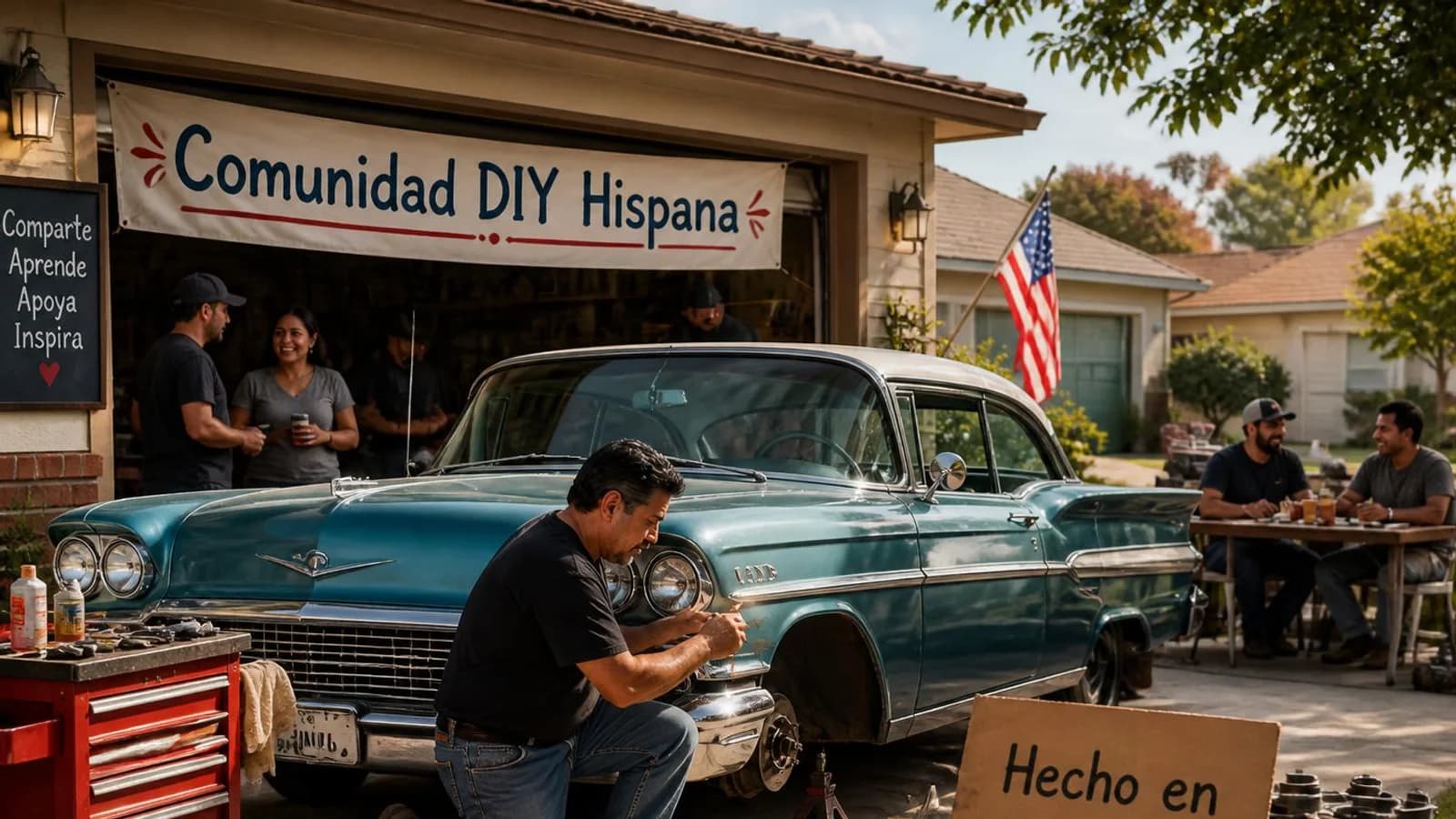
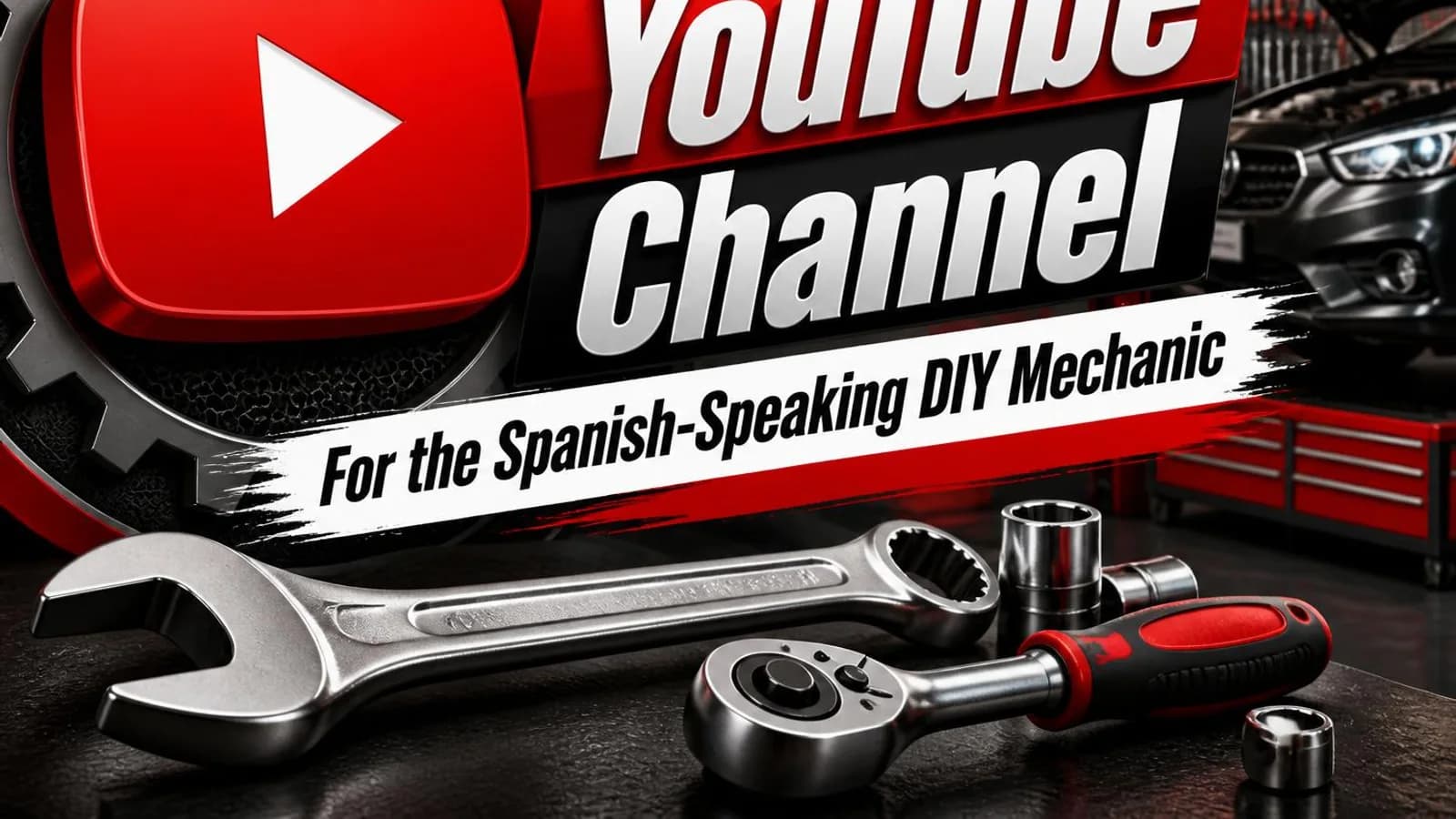
En cada rincón de Estados Unidos, miles de latinos abren el cofre de sus propios vehículos para hacer reparaciones que antes solo imaginaban dejar en manos de un mecánico. Esta comunidad crece rápidamente: según cifras del sector automotriz, los consumidores hispanos representan uno de los segmentos de mayor expansión en la compra de autopartes y accesorios. La razón es sencilla: la mecánica DIY ahorra dinero, genera independencia y transmite conocimiento de generación en generación. Sin embargo, el mundo de las autopartes en Estados Unidos puede intimidar cuando los catálogos, los sitios web y los empleados hablan principalmente en inglés. Las herramientas interculturales ya existen La buena noticia es que el ecosistema de recursos en español nunca ha sido tan completo. Hoy puedes configurar sitios web en español, pedir ayuda a empleados bilingües en las tiendas, consultar videos en tu idioma y leer artículos técnicos sin necesidad de traducir cada palabra. Estas herramientas combinadas forman un puente entre la experiencia mecánica que ya tienes y el mercado de autopartes estadounidense. El canal refaccione: tu punto de partida Uno de los recursos más valiosos disponibles es el canal de YouTube refaccione. Está diseñado específicamente para el mecánico hispanohablante en Estados Unidos y ofrece: • Tutoriales paso a paso sobre reparaciones comunes. • Identificación visual de piezas para que sepas exactamente qué estás buscando antes de ir a la tienda. • Vocabulario técnico explicado en español sencillo, sin perder precisión. • Comparaciones entre piezas OEM y aftermarket para que tomes decisiones informadas. Antes de comprar cualquier pieza, vale la pena buscar en el canal si existe un video sobre tu reparación específica. Ver el procedimiento completo te ayuda a confirmar que identificas la pieza correcta, que tienes las herramientas necesarias y que entiendes los pasos de seguridad. Un recordatorio importante desde el principio Ningún video, artículo ni catálogo reemplaza el manual del propietario de tu vehículo. Úsalos como complemento, no como única fuente. Siempre verifica el número de modelo, el año y el motor de tu auto antes de ordenar cualquier pieza. En los próximos artículos de esta colección encontrarás guías específicas sobre cadenas nacionales, yonques, catálogos digitales, flujos de traducción y un glosario rápido inglés-español. Todo diseñado para que puedas conseguir la pieza correcta hoy mismo.
English Translation
In every corner of the United States, thousands of Latinos open the hood of their own vehicles to perform repairs they once only imagined leaving in the hands of a mechanic. This community is growing rapidly: according to automotive industry data, Hispanic consumers represent one of the fastest-growing segments in the purchase of auto parts and accessories. The reason is simple: DIY mechanics saves money, fosters independence, and passes knowledge down from generation to generation. However, the world of auto parts in the United States can be intimidating when catalogs, websites, and employees speak primarily in English. Cross-Cultural Tools Already Exist The good news is that the ecosystem of Spanish-language resources has never been more comprehensive. Today you can set websites to Spanish, ask for help from bilingual employees in stores, consult videos in your native language, and read technical articles without needing to translate every single word. Combined, these tools build a bridge between the mechanical experience you already have and the American auto parts market. The refaccione Channel: Your Starting Point One of the most valuable resources available is the YouTube channel refaccione. It is specifically designed for the Spanish-speaking mechanic in the United States and offers: • Step-by-step tutorials on common repairs. • Visual identification of parts so you know exactly what you are looking for before going to the store. • Technical vocabulary explained in plain Spanish without sacrificing accuracy. • Comparisons between OEM and aftermarket parts so you can make informed decisions. Before buying any part, it is worth checking the channel to see if there is a video covering your specific repair. Watching the full procedure helps you confirm that you are identifying the right part, that you have the necessary tools, and that you understand the safety steps. An Important Reminder from the Start No video, article, or catalog replaces your vehicle’s owner’s manual. Use them as a supplement, not as the sole source. Always verify the model number, year, and engine of your car before ordering any part. In the upcoming articles of this collection, you will find specific guides on national chains, junkyards, digital catalogs, translation workflows, and a quick English-Spanish glossary. Everything is designed to help you get the right part today.

Discussion
Comments
0 commentsNo comments yet
Be the first to comment on this article.
Join the conversation
Leave a Comment